Is the driver of the red car obliged to give way to pedestrians when exiting onto the road from an adjacent area?
44 official tickets in this topic, with the correct answer and law explanation.
Changing lanes, turning, reversing and correct positioning.
Is the driver of the red car obliged to give way to pedestrians when exiting onto the road from an adjacent area?
Road sign used in this ticket
Permits movement in the directions shown by the arrows at an intersection where roundabout (circular) traffic is organised.
Towards the driver of which vehicle does the driver of the white passenger car have an obligation to give way when moving in the direction of the arrow?
The driver of which vehicle is not prohibited from moving in the direction of the arrow, if the given road does not serve adjacent areas?
Road sign used in this ticket
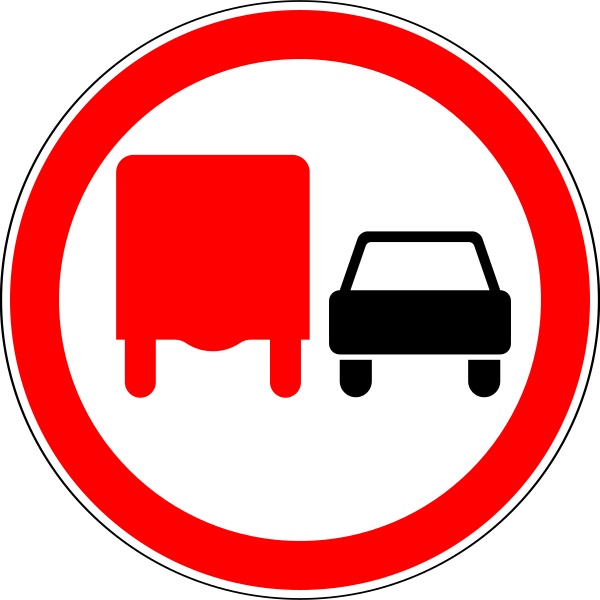
Prohibits trucks with a maximum permitted mass of more than 3.5 tonnes from overtaking other vehicles (except vehicles moving at less than 30 km/h), and prohibits tractors from overtaking other vehicles (except horse-drawn vehicles and bicycles). The sign applies from the place where it is installed to the nearest intersection behind it, and in a built-up area with no intersection – to the end of the built-up area. The sign's effect is also not interrupted at exits from adjacent areas or at intersections (junctions) with field, forest and other minor roads before which no corresponding sign is installed.
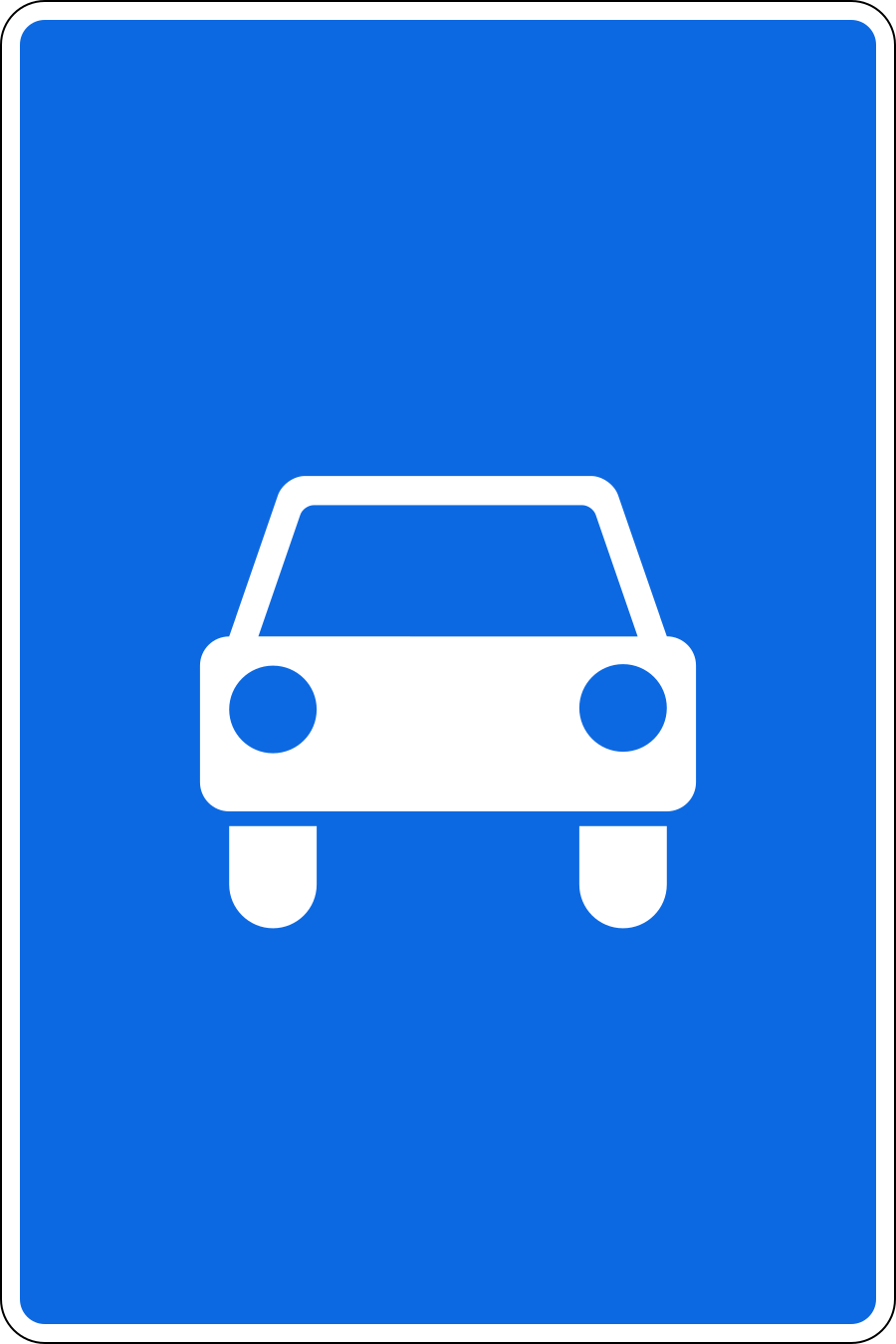
A road intended only for the movement of cars and motorcycles.
If the middle lane of a two-way road with three lanes is used for traffic in both directions, the side for traffic in the same direction is considered to be:
Over the driver of which vehicle does the driver of the grey car have priority when moving in the direction of the arrow?
Is the driver prohibited from making a U-turn in the direction of the arrow if visibility is limited to 90 metres?
Road sign used in this ticket
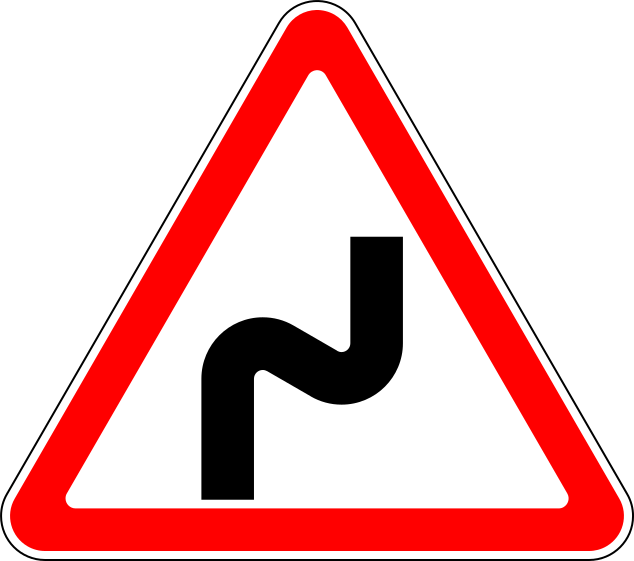
A section of road with dangerous bends, the first bend being to the right. Outside built-up areas the sign is placed 150−300 m before the start of the hazardous section, in built-up areas – 50–100 m before it.
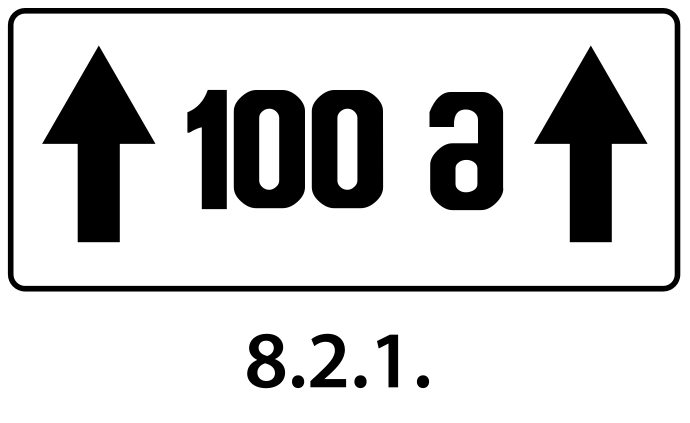
Indicates the length of a hazardous section of road marked with a warning sign, or the zone of operation of a prohibitory or information sign. 8.2.2 indicates the length of a hazardous section of road marked with a warning sign, or the zone of operation of a prohibitory or information sign. 8.2.3 indicates the end of the zone of operation of signs 3.27–3.30. 8.2.4 informs the driver that they are within the zone of operation of signs 3.27–3.30. 8.2.5 - 8.2.6 indicate the zone of operation of signs 3.27–3.30 when stopping and parking are prohibited along one side of a square, building façade, etc.
Road sign used in this ticket
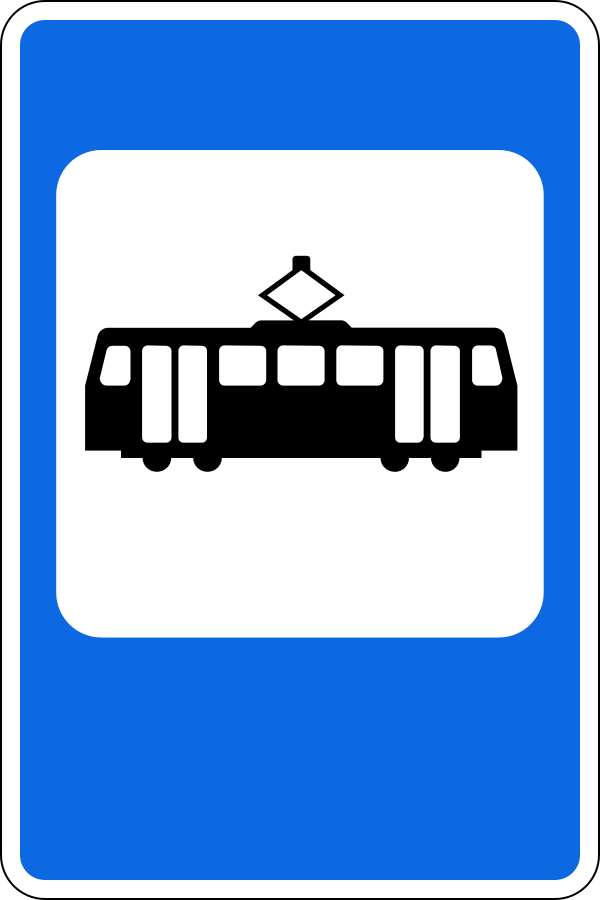
Indicates a tram stop and a taxi rank.
The driver of the car has passed the right turn. Are they prohibited from reversing in the direction of the arrow to enter the turn?
When tram tracks are located in the middle of the carriageway of a two-way road, at the same level with it, the following is considered to divide the opposite directions of traffic:
Road sign used in this ticket
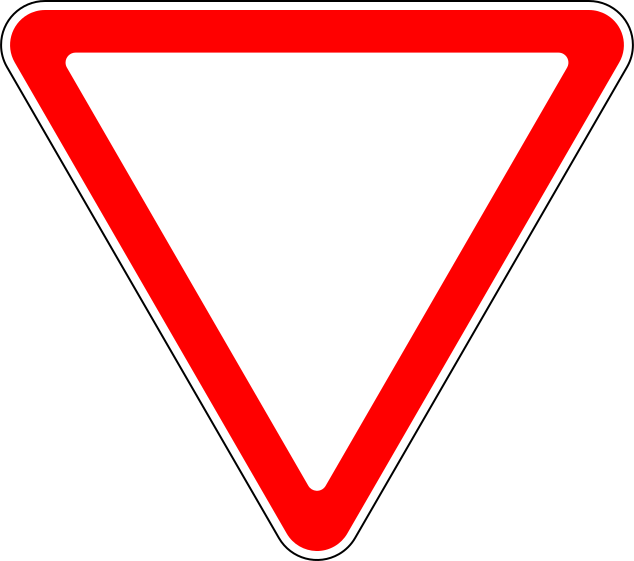
The driver on this road must give way to drivers moving on the road being crossed, and where plate 8.13 is present – to drivers on the main road. Outside built-up areas, sign 2.3 is placed in advance, 150−300 m before the intersection, with plate 8.1.1 if sign 2.3 is installed before the intersection, or with plate 8.1.2 if sign 2.4 is installed before the intersection. The sign applies to the intersection of carriageways before which the corresponding sign is installed.
Is it prohibited for a trackless vehicle to drive onto the track of a tram moving in the opposite direction?
In which of the cases listed below is it permitted for a trackless vehicle to move on tram tracks of the same direction located on the left side of the road at the same level as the carriageway?
In which of the places listed below is making a U-turn with a vehicle prohibited?
When vehicles moving in the same direction change lanes simultaneously, and their paths of movement intersect, the right of way is given to:
If the paths of vehicles intersect and the order of passage is not determined, the driver must give way to the vehicle approaching:
60 real exam routes across 10 cities, 793 km in total. Every turn and stop on the map, with voice guidance.
One-off payment, no auto-renewal — by card on the Bank of Georgia secure page.