Is the driver of the red car obliged to give way to pedestrians when exiting onto the road from an adjacent area?
57 official tickets in this topic, with the correct answer and law explanation.
Changing lanes, turning, reversing and correct positioning.
Is the driver of the red car obliged to give way to pedestrians when exiting onto the road from an adjacent area?
Road sign used in this ticket
Permits movement in the directions shown by the arrows at an intersection where roundabout (circular) traffic is organised.
The driver of which car will violate the traffic rules when moving in the direction of the arrow?
The driver of which car has the obligation to give way when moving in the direction of the arrow?
Towards the driver of which vehicle does the driver of the white passenger car have an obligation to give way when moving in the direction of the arrow?
The driver of which vehicle moving in the direction of the arrow is violating the traffic rules?
Road sign used in this ticket
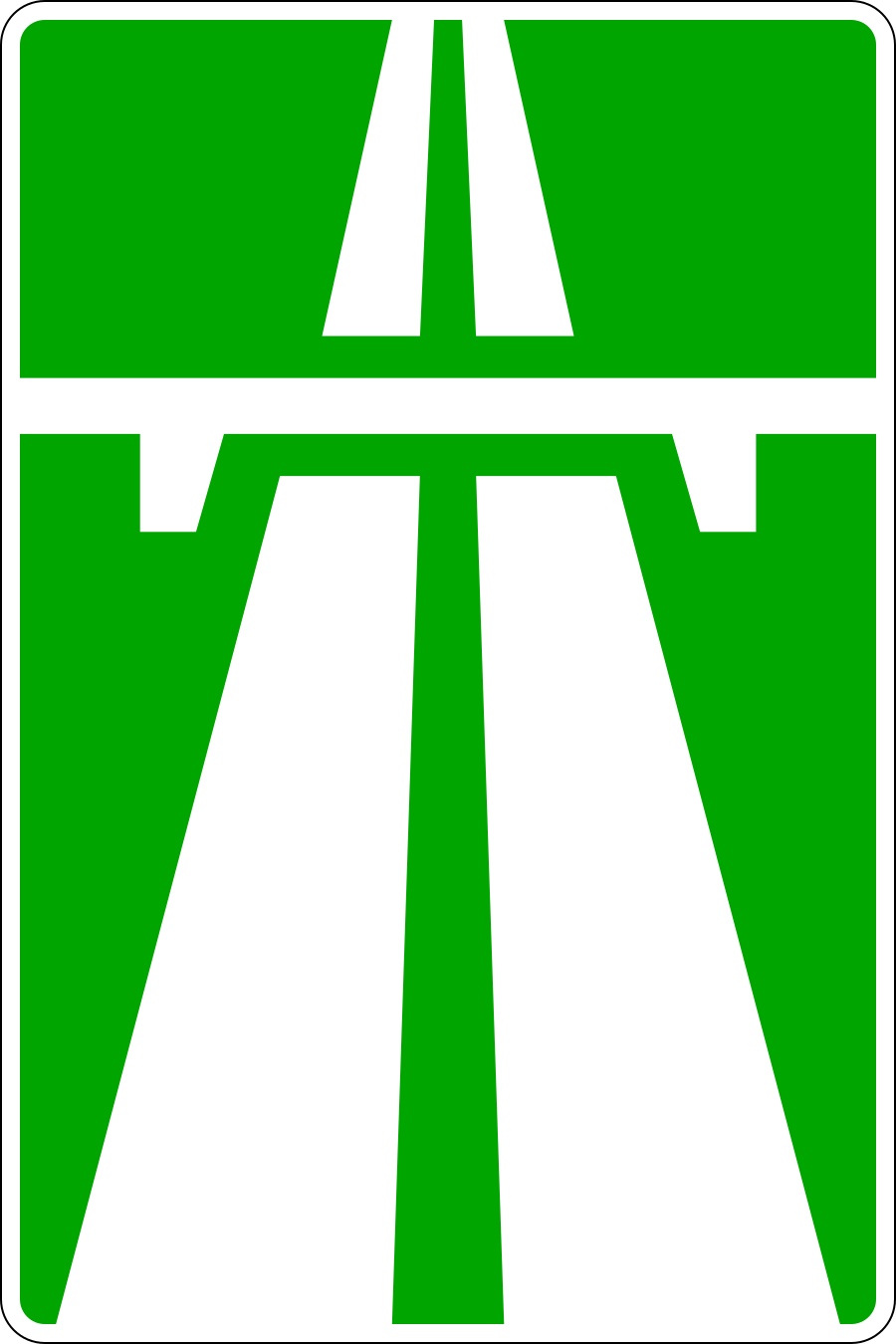
A motorway on which the requirements of the rules governing traffic on motorways apply. The sign is installed at the beginning of the motorway or near it with plate 8.1.1.
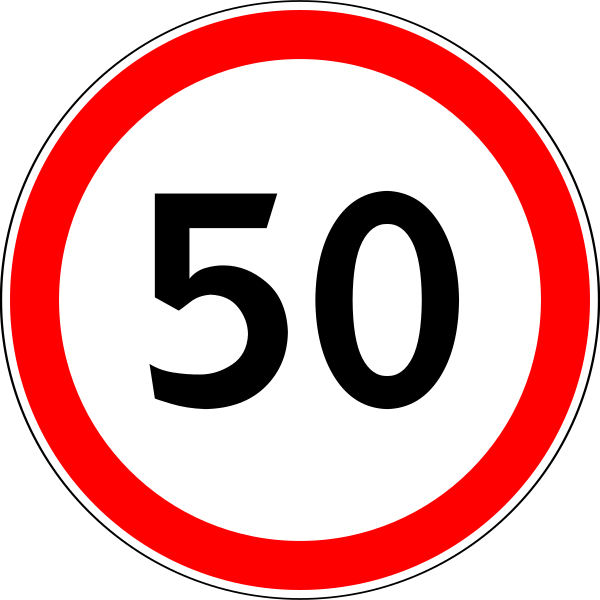
Prohibits driving at a speed (km/h) exceeding that shown on the sign. The sign applies from the place where it is installed to the nearest intersection behind it, and in a built-up area with no intersection – to the end of the built-up area. The sign's effect is also not interrupted at exits from adjacent areas or at intersections (junctions) with field, forest and other minor roads before which no corresponding sign is installed. Sign 3.24 installed before a built-up area marked with signs 5.23.1 and 5.23.2 applies up to signs 5.23.1 and 5.23.2, respectively, that mark the built-up area.
The driver of which vehicle is not prohibited from moving in the direction of the arrow, if the given road does not serve adjacent areas?
Road sign used in this ticket
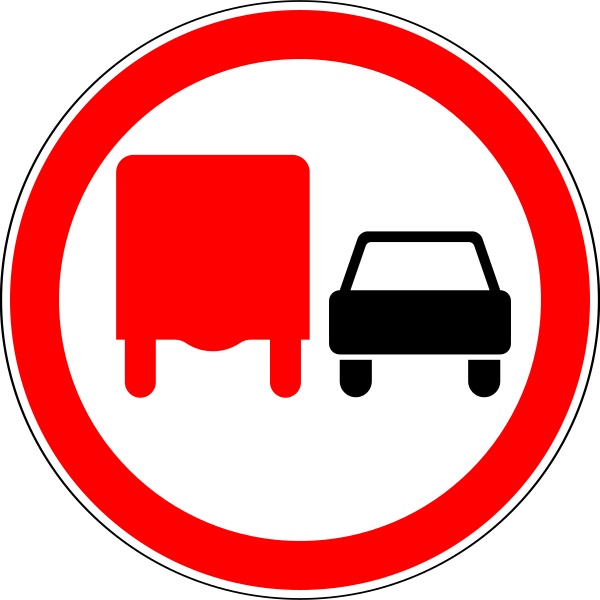
Prohibits trucks with a maximum permitted mass of more than 3.5 tonnes from overtaking other vehicles (except vehicles moving at less than 30 km/h), and prohibits tractors from overtaking other vehicles (except horse-drawn vehicles and bicycles). The sign applies from the place where it is installed to the nearest intersection behind it, and in a built-up area with no intersection – to the end of the built-up area. The sign's effect is also not interrupted at exits from adjacent areas or at intersections (junctions) with field, forest and other minor roads before which no corresponding sign is installed.
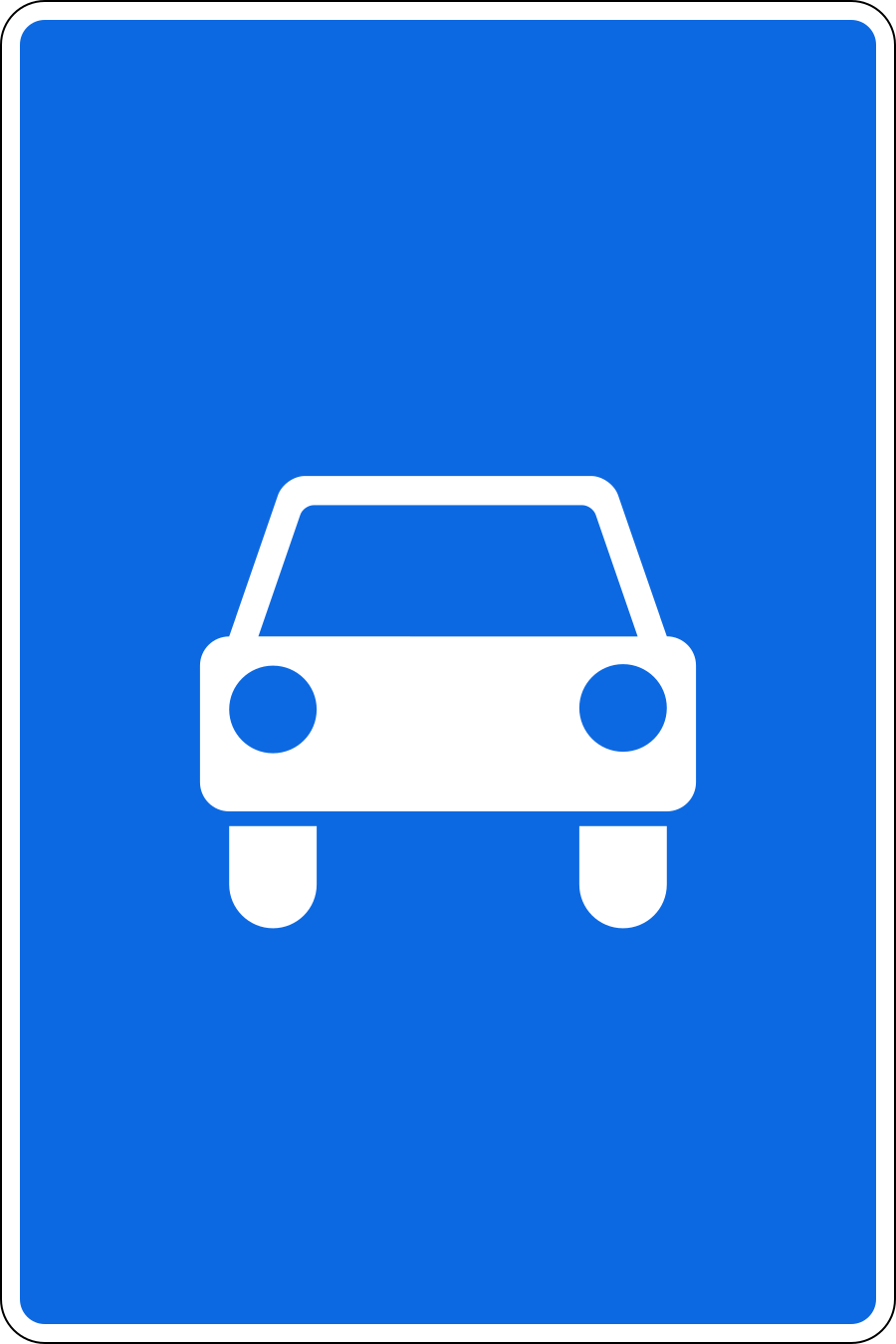
A road intended only for the movement of cars and motorcycles.
If the middle lane of a two-way road with three lanes is used for traffic in both directions, the side for traffic in the same direction is considered to be:
Over the driver of which vehicle does the driver of the grey car have priority when moving in the direction of the arrow?
Does the driver of the truck have the right to continue moving in the direction of the arrow, if the width of the carriageway is insufficient for making a U-turn from the left lane?
If the width of the carriageway is insufficient for a truck to make a U-turn from the left lane, when moving in the direction of the arrow the truck driver is obliged to give way to:
Does the driver of the truck have the right to continue moving in the direction of the arrow, if the width of the carriageway is insufficient for turning from the left lane?
Near the intersection, the width of the road does not allow a U-turn. Does the driver of the truck have the right to continue moving in the direction of the arrow?
Is the driver prohibited from making a U-turn in the direction of the arrow if visibility is limited to 90 metres?
Road sign used in this ticket
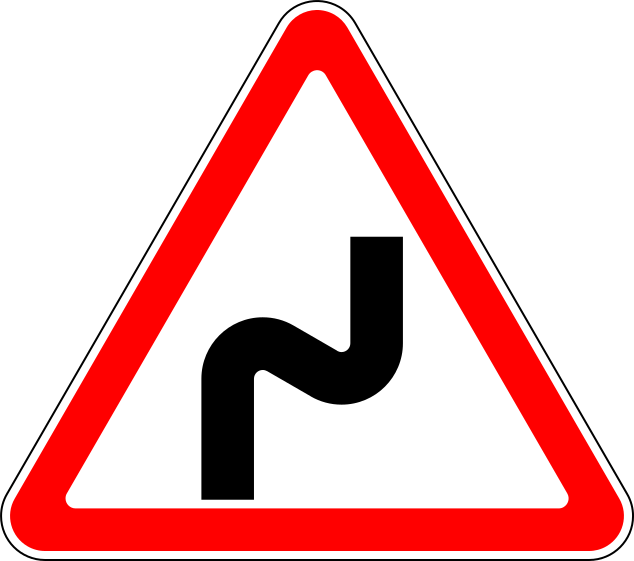
A section of road with dangerous bends, the first bend being to the right. Outside built-up areas the sign is placed 150−300 m before the start of the hazardous section, in built-up areas – 50–100 m before it.
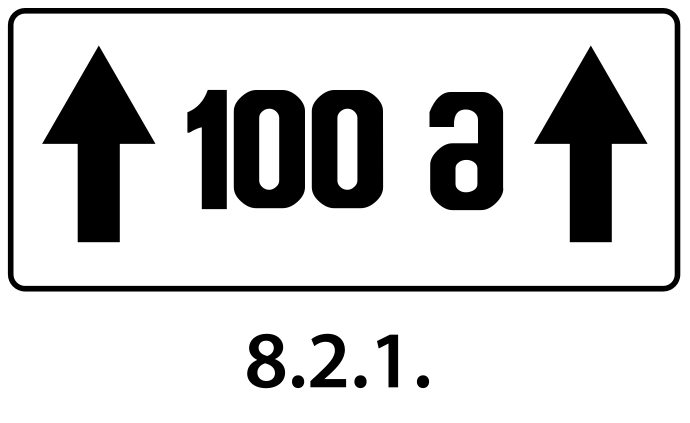
Indicates the length of a hazardous section of road marked with a warning sign, or the zone of operation of a prohibitory or information sign. 8.2.2 indicates the length of a hazardous section of road marked with a warning sign, or the zone of operation of a prohibitory or information sign. 8.2.3 indicates the end of the zone of operation of signs 3.27–3.30. 8.2.4 informs the driver that they are within the zone of operation of signs 3.27–3.30. 8.2.5 - 8.2.6 indicate the zone of operation of signs 3.27–3.30 when stopping and parking are prohibited along one side of a square, building façade, etc.
Road sign used in this ticket
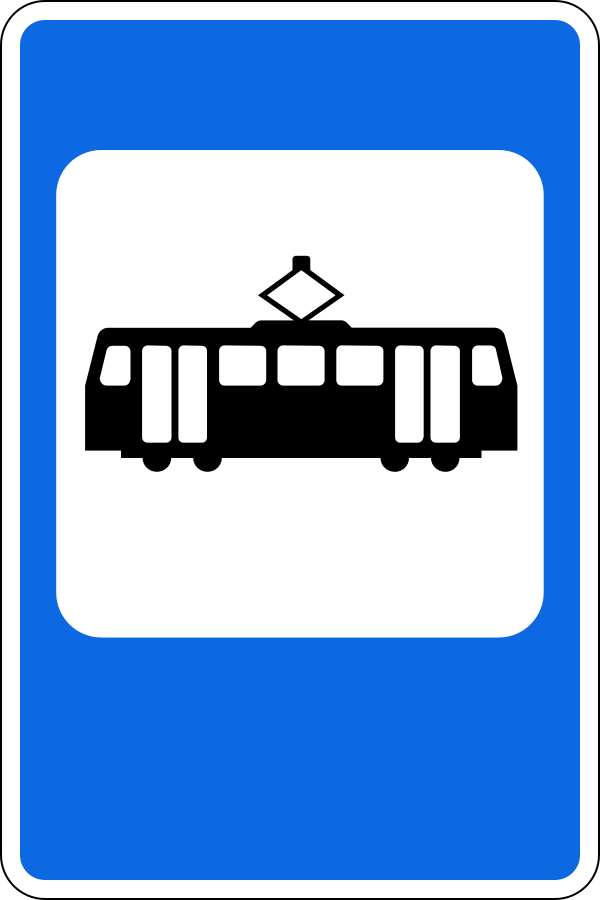
Indicates a tram stop and a taxi rank.
60 real exam routes across 10 cities, 793 km in total. Every turn and stop on the map, with voice guidance.
One-off payment, no auto-renewal — by card on the Bank of Georgia secure page.